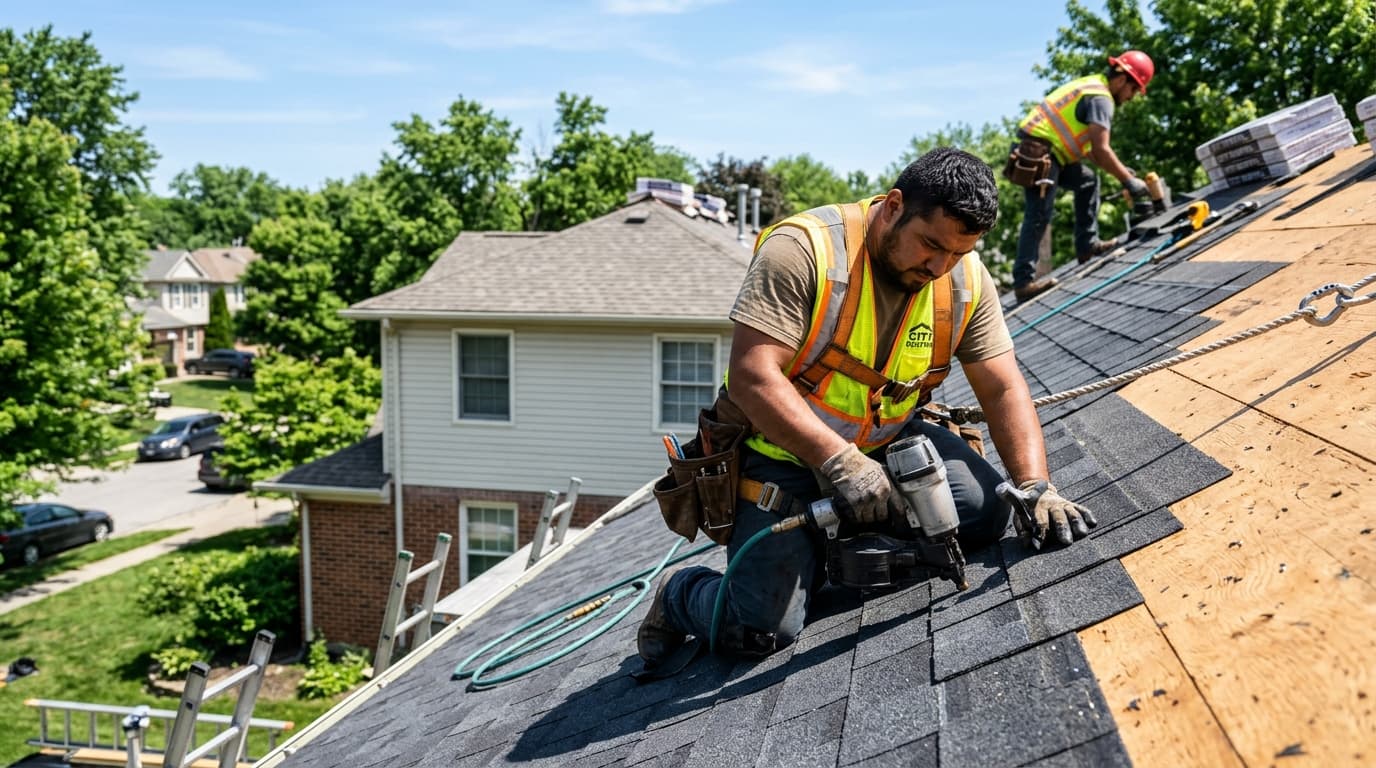

What Is TPO Roofing? Understanding the Material Used on Modern Commercial Buildings
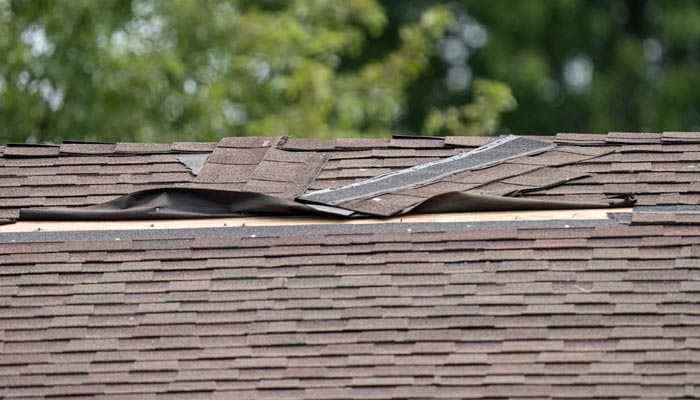
Selecting a roof for a commercial building is more than just picking a material to cover the building. Most essential to business owners and property managers are durability, maintenance, drainage, the long-term condition of the roof system, and exposure to the elements. These types of decisions become increasingly critical in buildings with low-slope or flat roofs that rely on proper drainage and membrane condition. Thermoplastic polyolefin (TPO) is one type of commercial roof. It is a membrane roof that is melt-fabricated as single-ply material to cover the flat or low sloped roof. Its reflective colors and easy installation have made it a popular commercial roofing choice. Understanding how TPO roofing works can help the residents of Greenwood and the surrounding Kansas City area decide if the roof is right for them.
What Exactly Is TPO Roofing?
TPO (thermoplastic polyolefins) roofing is a single-ply roofing system. Unlike traditional systems that have multiple layers of different materials, TPO roofing consists of a flexible membrane that is installed over roof applications to create a contiguous protective layer. The membrane comes in large rolls or sheets. They are then placed on the previously prepared roof assembly and overlapped with special heat-welding equipment that seals the edges. The seams that result are an important part of the roof assembly, providing a continuous water barrier. TPO membranes are often white and other light colors. Dallas White membranes reflect a large portion of solar energy, instead of absorbing it into the roof surface. However, it's essential to keep in mind that its impact on indoor temperatures (and energy loads) will depend on the climate, the HVAC system, the layout of the building, and the insulation.
What's So Great About TPO for Commercial Roofs?
Commercial buildings often have large roof areas that require a roofing system suited to their structure and intended use. One choice is TPO, a membrane that weighs relatively little with heat-welded seams and multiple installation options. Here are some of the features that make it worth considering.
1. Reflective Surface Options
TPO roofing membranes tend to be white or a lighter color. These can also reflect more sunlight than some darker roofing materials and reduce heat absorbed in the roof. This can be particularly true during the hot Missouri summer months, where temperatures can be extreme on commercial buildings. However, a reflective roof does not necessarily provide lower energy costs. Other factors, such as air movements, insulation, air conditioning efficiency, changes in occupancy, and overall energy performance, also play a role. But selecting the correct reflective membrane can be a piece of a wider temperature control strategy for a building.
2. Heat-Welded Seams
Properly making membrane joints is essential when installing TPO. Instead of using adhesive, or mechanical fasteners at the joints between sheets, installers use special hot-air equipment to weld overlapping areas of membrane. If done correctly, this creates a strong, continuous seam. A poorly finished joint has a gap for water and thus, the quality of the joint is important. Proper equipment, careful inspection of the seams, and control of the welding conditions are used for a successful installation.
3. Lightweight Roofing Material
TPO membranes are lighter than some traditional commercial roof systems. It may offer a good option for certain flat and low-slope roofing assemblies. But TPO is just one component of a roof system. The TPO assessment should also be looking at the existing roof system, how it attaches to the existing roof, insulation boards, and cover boards.
4. Installation Flexibility
There are several approaches to attaching TPO roofing, depending on the manufacturer's system for the product and the requirements of the building. Mechanically attached and fully adhered systems are common. In some applications, ballasted systems may also be utilized, but only as indicated by the manufacturer and design. The appropriate method depends on the project's specifications, building conditions, wind requirements, and existing roof. It's based on consideration by specialists.
Understanding the Different Parts of a TPO Roofing System
Your commercial TPO roof is more than "just a white sheet" that you put on a roof. It is a system where all the components contribute to the performance of the finished roof. If you are evaluating commercial roofing solutions for your building in Greenwood or the Kansas City metro, TK Roofing Contractor can help you evaluate your structure, drainage requirements, and insulation options, or you can schedule an inspection today.
Mr. Tom Knotts
Founder & OwnerTom Knotts has been working on roofs in Missouri for more than 35 years. In 2005, he established TK Roofing in Greenwood, MO. Tom personally inspects roofs, explains findings honestly, and leads every project with care.