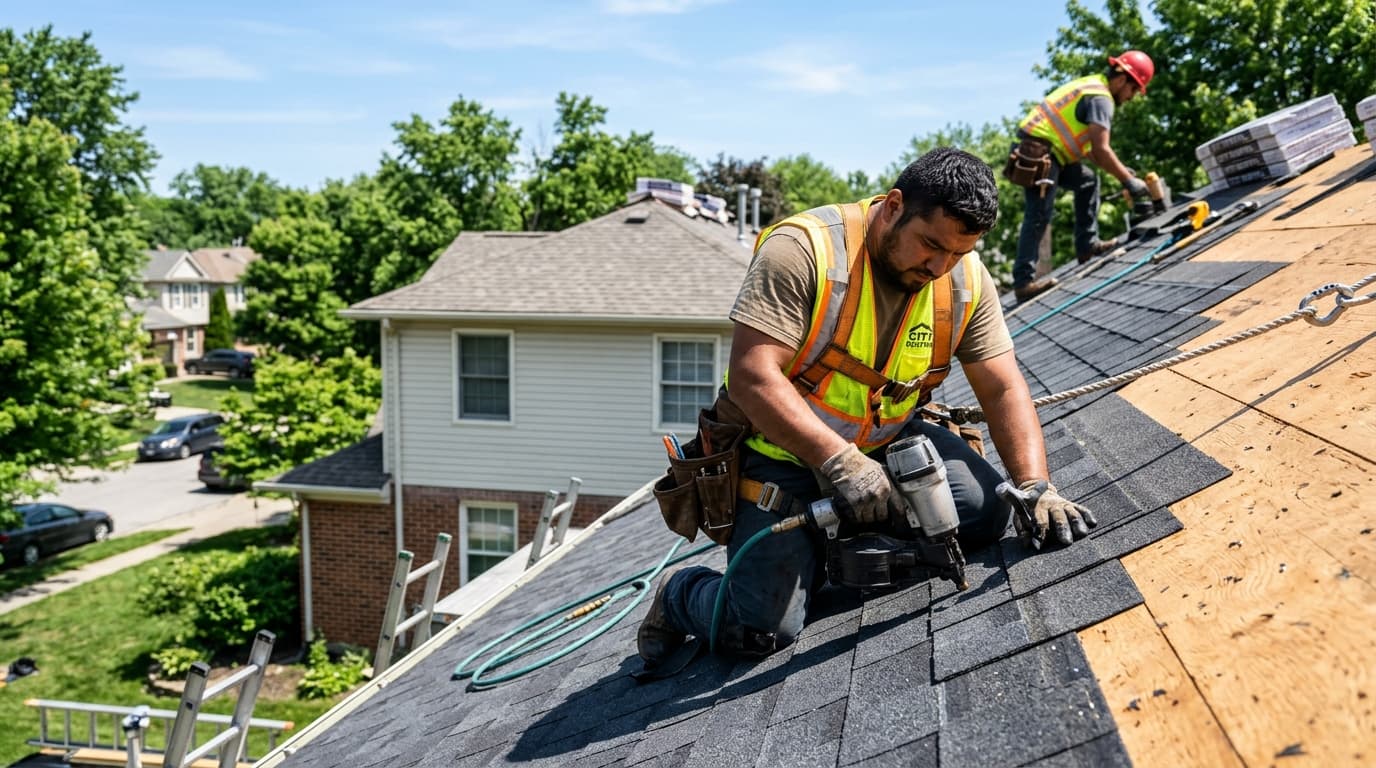

Repairing Storm Damage to Your Roof After a Thunderstorm
A thunderstorm can tear through Kansas City faster than it takes to finish dinner, but the damage it leaves behind can take a lot longer to clean up. High winds can lift shingles, hail can dent or crack roofing materials and falling branches can damage roof surfaces or gutters. Sometimes you can see trouble from the ground. Sometimes a roof looks good until the next rainstorm shows a leak in the ceiling. For homeowners and commercial property owners, knowing what to do after bad weather can help avoid a stressful situation from turning into a much larger repair project. TK Roofing Contractor offers roofing services all over the Kansas City area, including storm damage repairs. The priority when a thunderstorm affects your property is to assess the damage, secure the building and arrange the necessary repairs.
What Can A Kansas City Thunderstorm Do To Your Roof?
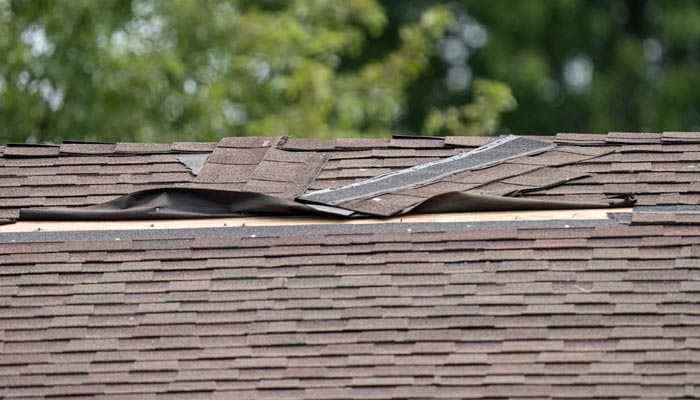
Kansas City’s weather varies over the course of the year and thunderstorms can produce a combination of wind, heavy rain and hail. Each one can affect a roof in a different way. Powerful winds can also loosen shingles, break their seals or rip sections of roofing loose. Wind can expose vulnerable areas around roof edges, ridges and flashing even when shingles are intact. Once water gets in through an opening, it can work its way under the roofing material to the roof deck or into the interior of the building. Hail brings its own set of problems. Hail can crack tiles, damage shingles or leave dents and other signs of impact depending on the size of the hail, the force of impact and the roofing material. Some damage is hard to see if you don't look closely. Heavy rain can reveal weak spots around vents, skylights, chimneys and roof valleys. Leaves and storm debris can also clog gutters and downspouts and can prevent water from draining properly. Water backing up can make it easier for moisture to get into the building. You don’t need a storm to rip a whole section of roof off and cause trouble. That’s why it’s worth considering a roof inspection after severe weather. A small area of damage can be enough.
What To Do Right After A Thunderstorm
First, ensure your safety. Don’t climb on a wet roof to look for missing shingles, clear debris or take photographs. Storm-damaged surfaces can be slippery, and may not be safe to walk upon due to hidden structural damage. Rather, if you can, attempt to see the property from the ground. Look for any visible damage, fallen branches, loose roofing materials and blocked gutters. Inspect the ceilings and rooms on the upper floor of the building for evidence of water entering. If water is coming into the property, move furniture, electronics and other belongings away from the affected area when it is safe to do so. If possible, position a container beneath a small drip. Do not touch wet electrical fittings or standing water around electrical equipment. If there is a risk of electrical shock, leave the area and call the appropriate professional. Photograph any visible damage from a safe distance. These records can be useful when you speak with a roofing contractor or your insurance company. If the damage looks bad, don’t wait for another storm to find more problems; have a professional come out and check it immediately.
Residential And Commercial Properties Require Different Attention
For a homeowner, a roof leak can lead to damaged ceilings, wet insulation, damaged belongings and disruption to daily life. Any small opening can lead to problems, especially if rain continues to find its way into the building. The problem is even more acute on commercial roofs. Water entering an office, shop, warehouse or other business premises can impact stock, equipment, work areas and normal operations. After severe weather, especially for buildings with flat or low-slope roofs, check the drainage and condition of the roofing membrane. TK Roofing Contractor is a specialist in residential and commercial projects in the Kansas City area. How the repair will be approached will depend on the building, its roofing system and the characteristics of the storm damage.
Mr. Tom Knotts
Founder & OwnerTom Knotts has been working on roofs in Missouri for more than 35 years. In 2005, he established TK Roofing in Greenwood, MO. Tom personally inspects roofs, explains findings honestly, and leads every project with care.